We interpret the world through the lens of memory
Memory, presence, and the unseen
I am an abstract figurative painter based on California’s Central Coast. My paintings explore memory, presence, and the seen and unseen through layers of color, gesture, and form.
Memory serves as both subject and material in my work. It gathers in surfaces, figures, marks, and fragments, shaping what is revealed and what remains hidden.
As a viewer, you bring your own memories and understanding to the work, creating another layer of meaning. I invite you to spend time with the work and notice what begins to surface.
“The quality of a direct experience always eludes one,
and only in recollection could we grasp its real flavor.” — Marcel Proust

Inside the Process
A brief look inside the layered process behind the work.
“When I saw this painting, it spoke to me. The face is in half shadow and in light, representing the face we show to the world, and the hidden part of us that no one can see. Brilliant! I am a big fan of her work.” — Tom
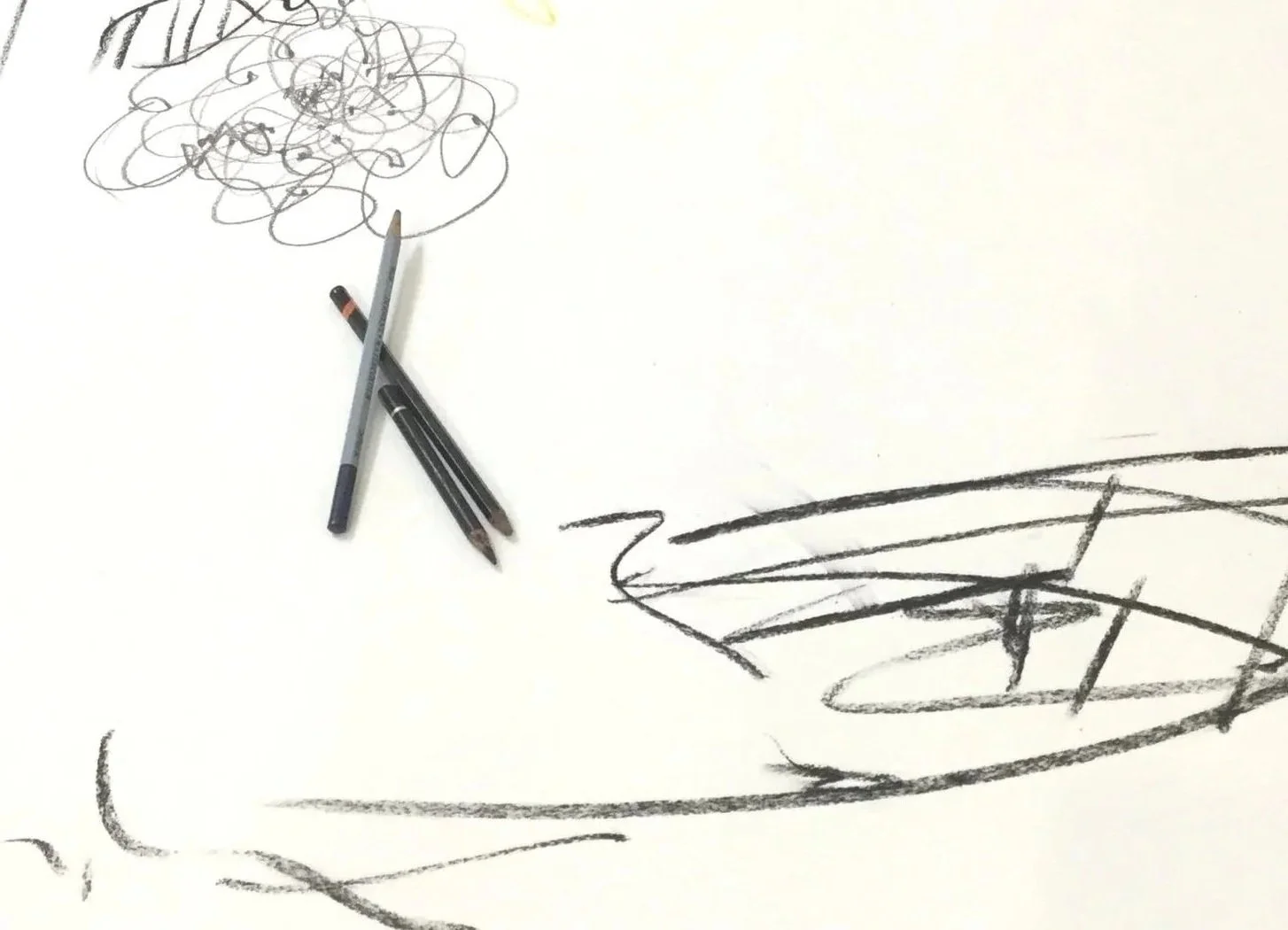
Statement & Process
I work from memory, not as something fixed, but as something that shifts over time.
My paintings begin with memory, but they are shaped through
listening, response, and revision. I am interested in what can be
felt before it can be named: the body, the land, weather, plant life,
and the traces left by time.
The work develops through a call and response. Each decision
grows out of the one before it. What needs to soften, what needs
to be removed, and what needs to remain unresolved are
discovered through attention rather than control.
Color and gesture play an essential role in this process. Sometimes
color is restrained. Other times it intensifies. I use color as
atmosphere, as a way of signaling where attention gathers, where
it recedes, and where something begins to emerge.
Because memory is invisible, it needs a form to inhabit. I am
drawn to figures, symbols, and marks because they give memory
a place to rest. These forms are not meant to describe a specific
story. They act instead as vessels, allowing something known and
unknown to surface without being fully explained.
What emerges lives in the space between recognition and
uncertainty, between what is known and what is felt. The
paintings do not offer answers. They hold space, allowing memory,
presence, and ambiguity to remain alive without being fixed.