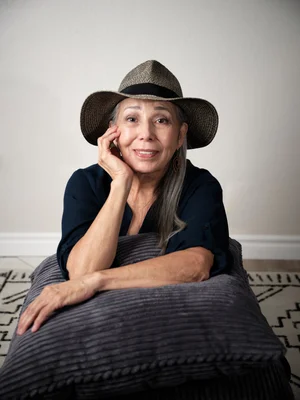
Returning to What Calls Me
I meet weekly with a small group of amazing fine artists. Our conversations wander easily - art, family, workshops, color, materials, exhibitions, life…. One week, the discussion shifted toward the place art occupies in our lives, and I found myself saying that I take all of life into my art practice.
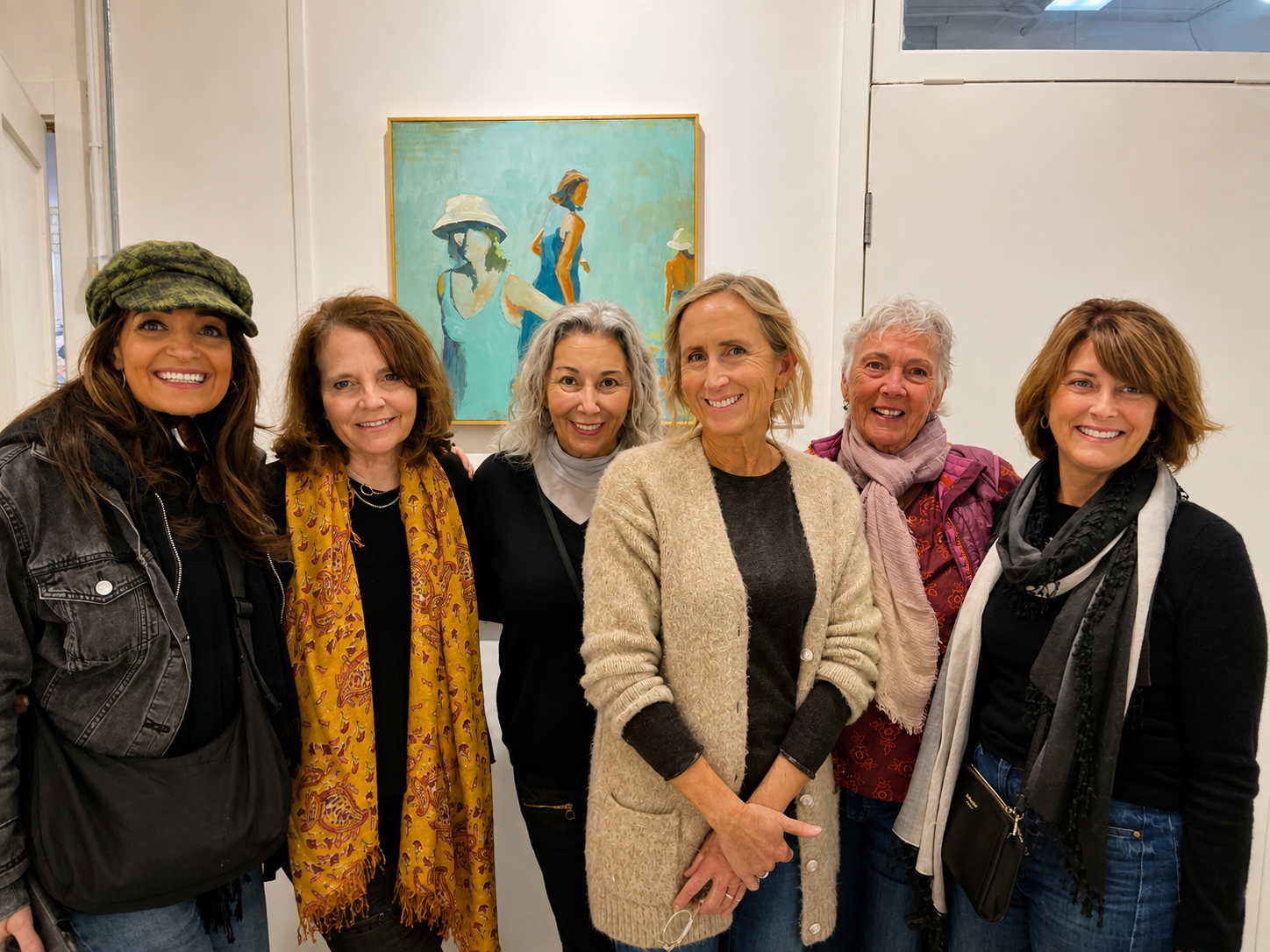
Fueled, our art group, at Julia Foug’s ICB studio in Sausalito. We first came together through ArtFuel, created by Susan Melrath and Terri Froelich.
The thought stayed with me.
Very little seems separate from the work anymore. A conversation, a trip, something read, something lost, a change in the body, a color noticed in passing, a difficult season, an ordinary afternoon. All of it enters the studio. Not necessarily as subject matter, but as experience. It impacts and informs the work - what I notice, what I question, and eventually what I make.
For years, I thought of this exchange between life and art simply as passion.
Passion is certainly part of it. It is the desire to make, the excitement of an idea, the pull that can make hours disappear in the studio. But passion rises and falls. There are days when painting feels exhilarating and days when it feels repetitive, frustrating - the beat goes on.
The return happens anyway.
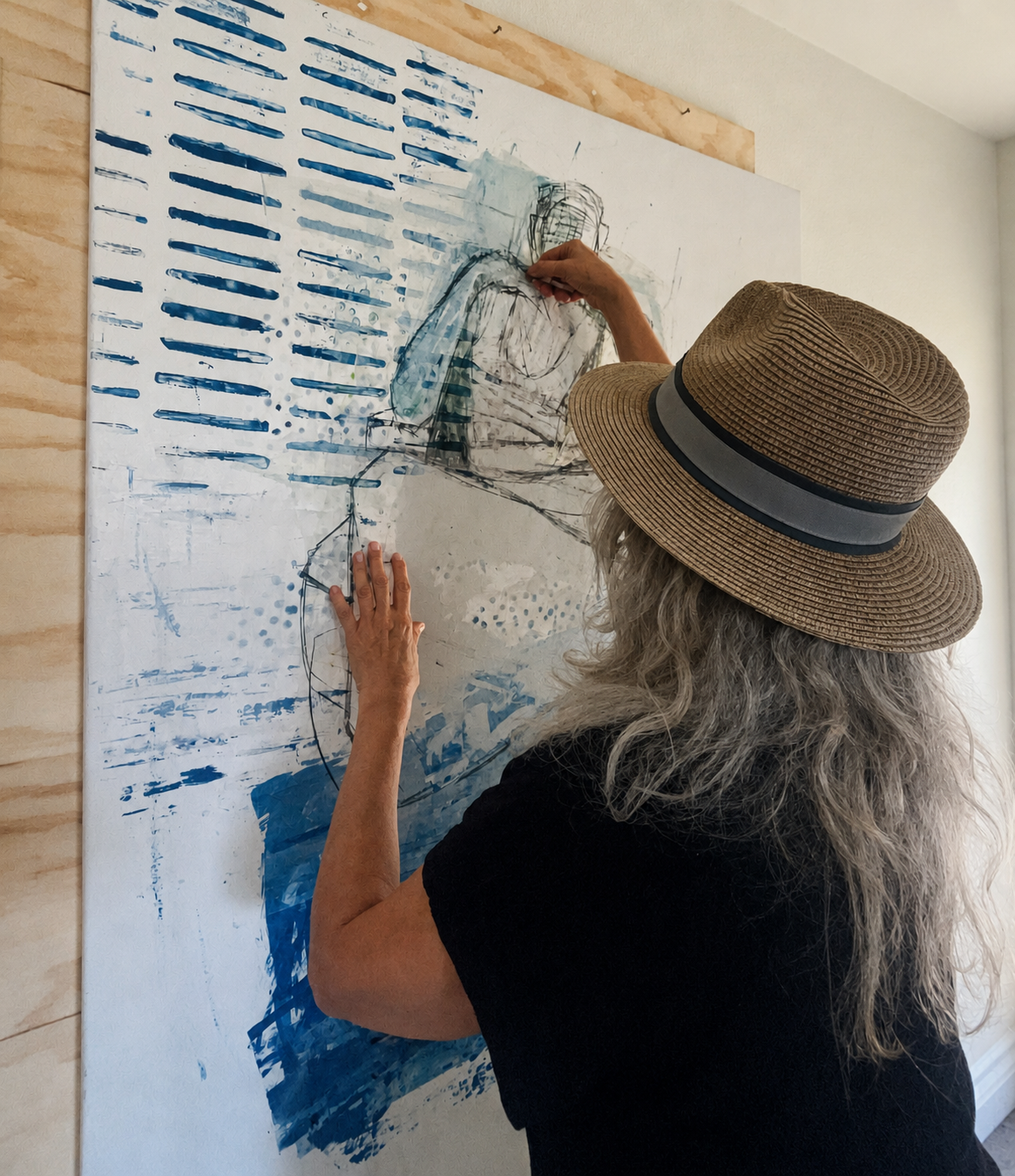
Returning to the work.
That is where the word vocation began to feel more accurate.
Vocation suggests something larger than passion alone. A calling, perhaps, but not in a grand sense. More as an orientation- a way a life begins to organize itself around a practice of attention.
Art affects the way I move through the world, and the world continually enters the art. The boundary between the two has become increasingly difficult to locate. That makes me more conscious of what I allow into my attention.
And then there is devotion.
Devotion may be the least dramatic of the three words, but perhaps the most important to me. It is the repeated act of returning.
Devotion often takes the form of ritual- the repeated acts that bring me back to the work. Showing up. Looking again. Making another mark. Staying with the questions long after the initial excitement has disappeared.
Together, they begin to describe the shape of my practice and my life.
Passion may ignite the work.
Vocation gives it a place within my life.
Devotion keeps me returning.
Ritual gives that return its rhythm.